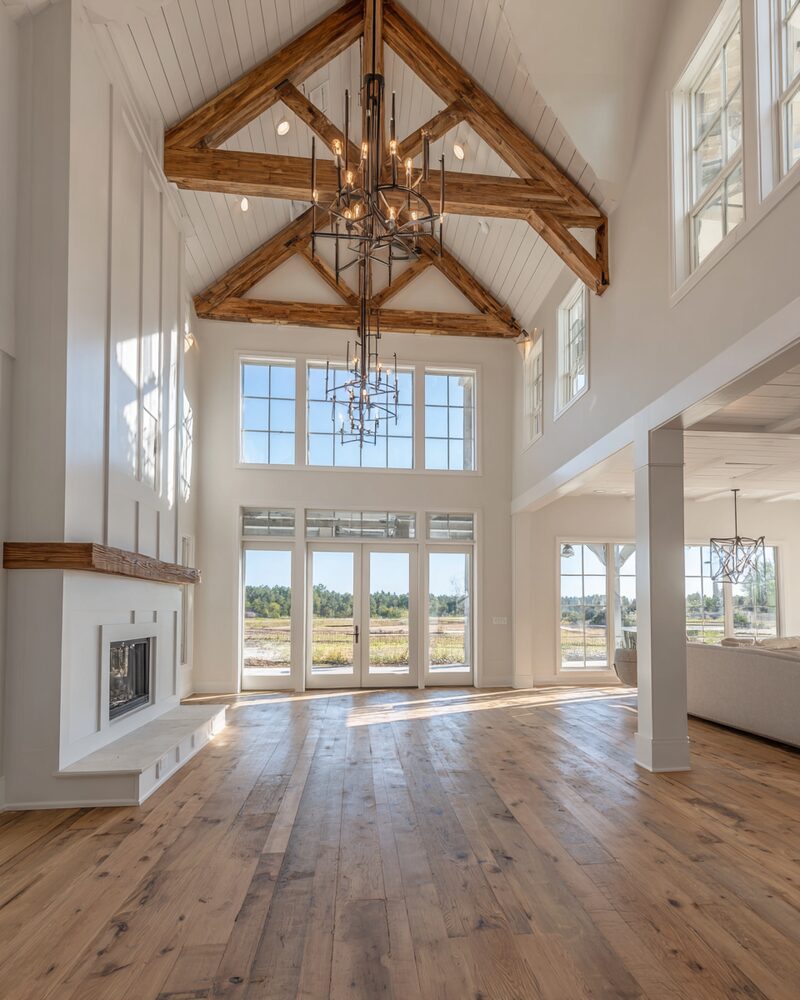
Whether you are buying your first home, trading up, downsizing, or selling an investment property, Northeast Atlanta real estate moves fast and rewards local knowledge. This guide gives practical, evergreen steps and local-focused strategies to help buyers and sellers make smart decisions that stand up to changing market conditions while improving search visibility for people looking to buy or sell in Northeast Atlanta.
Start with a realistic market snapshot. Northeast Atlanta covers diverse neighborhoods from Sandy Springs and Brookhaven to Dunwoody, Peachtree Corners, Johns Creek, Chamblee and Doraville. Inventory levels, median prices, and days on market vary block by block. Instead of broad assumptions, use a current comparative market analysis (CMA) for the immediate neighborhood to set expectations for pricing, time on market, and likely competition.
Five local signals that matter for long term value. Focus your research on these neighborhood-level factors: school boundaries and performance, access to major corridors and transit (GA 400, I 285, MARTA stations), planned developments and rezoning, greenways and parks that increase walkability, and local employment hubs that drive demand. These indicators explain why two nearby streets can show very different appreciation trends.
Practical buyer steps that win offers. In a market with limited inventory or rapid offers, buyers who combine speed and certainty win more often. Get preapproved by a lender who understands Northeast Atlanta mortgage patterns, prepare an earnest money deposit you are comfortable with, and consider contingencies carefully. Smart options include reasonable inspection windows, appraisal gap planning when necessary, and tailored escalation clauses for competitive scenarios. Work with an agent who brings immediate neighborhood comps and can advise on unique seller motivations.
How sellers maximize proceeds and reduce time on market. Pricing is local and precise. Use a targeted pricing strategy tied to recent closed sales on your street rather than broad zip level data. Invest in curb and first impression improvements: neutral paint, clean landscaping, and a clear path to the front door. For interior, prioritize high return updates like kitchen hardware, light fixtures, and deep professional cleaning. Professionally staged homes often sell faster and for higher net proceeds in our market. Ensure accurate disclosures and permit documentation for any renovations to avoid surprises during inspection and appraisal.
Timing and season do still matter but not in the old predictable way. Spring remains active, but buyers and sellers find opportunities year round in Northeast Atlanta. For sellers, listing when local inventory is lower can mean more attention per listing. For buyers, late fall and winter can yield less bidding competition. The best timing is when your personal and financial circumstances align with market information from a local expert.
Value beyond listing price. Consider total cost of ownership when buying: property taxes, HOA fees, insurance differences, and commuting costs. For sellers, highlight nearby assets that buyers search for: top-rated schools, greenways, transit access, and new retail or dining destinations. These are the search terms and selling points buyers use and localize your marketing to capture the right traffic.
Inspection and appraisal realities. In Northeast Atlanta, appraisal gaps can occur when comps lag fast-moving prices. Prepare by documenting improvements, keeping invoices and permits handy, and providing a neighborhood comp packet to the appraiser. For buyers, use inspections to identify safety and major system issues, not cosmetic imperfections. For sellers, consider a prelisting inspection to reduce renegotiation risk and speed closing.
Negotiation and offer tips for today and tomorrow. Every deal is a combination of price, terms, timeline, and certainty. Buyers who provide flexible closing dates and a clean financing profile often win against higher offers. Sellers should weigh net proceeds after concessions and holding costs, not just the headline offer. Including an informed local agent to craft or review offers reduces costly mistakes.
A flexible timeline checklist. Buyers should allow 30 45 days for a typical closing when using conventional financing, longer for new construction or loans with added requirements. Sellers should plan 2 4 weeks to prepare a home for market, then expect an average
