Many Northeast Atlanta buyers and sellers are discovering that homes designed for dual use—comfortable primary residences that can also generate rental income—offer a unique edge in today’s market. Whether you plan to live in a property part-time, host short-term guests, or rent long term while your home appreciates, understanding the practical steps and market realities will help you make decisions that pay off for years to come.
Start with location and local rules. Not every street or community allows short-term rentals, and HOA covenants and municipal ordinances can limit what you can do. Before you buy, check zoning, HOA rules, and recent local ordinances in the city or county that applies to a property. Sellers who want to market income potential should gather rental history, permits, and HOA approvals to make offers more compelling and reduce buyer friction.
Focus on flexible floor plans. Rooms that easily convert from home office to bedroom, or that include private entrances, deliver the most value for dual use. For buyers, prioritize layouts that separate private owner spaces from rental areas. For sellers, emphasize the adaptability of spaces in your marketing and listing copy.
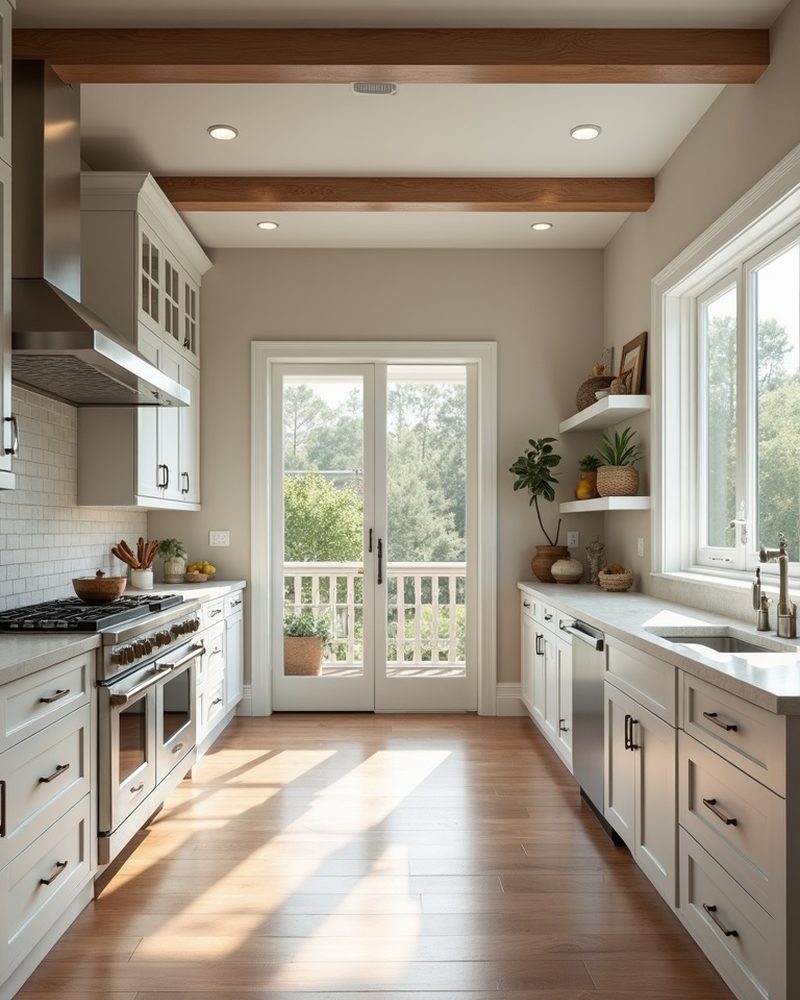
Invest in durable, low-maintenance upgrades. Flooring that stands up to heavy use, efficient HVAC systems with zone control, and modern, simple kitchens attract renters while preserving long-term resale value. Choose finishes that appeal broadly: neutral palettes, quality fixtures, and lockable storage for guest privacy.
Mind the utilities and systems. Separate meters, secondary entrances, or independent HVAC systems make managing a rental simpler and increase a property’s appeal to both buyers and renters. If those improvements are not feasible, document current utility arrangements and be transparent about ongoing costs in listings and rental materials.
Understand finance and tax realities. Owner-occupant loans can have lower rates than investment loans, but if you plan to become a buy-to-rent investor, compare financing options early. Consult a tax professional to understand depreciation, pass-through deductions, and local short-term rental tax obligations. Being prepared with numbers helps sellers present realistic income estimates and encourages buyer confidence.
Compile realistic rent comps and projections. Buyers and sellers should look at both short-term and long-term rental comparables in the neighborhood. Local events, tourism drivers, and nearby employers can influence demand. When selling, include a clear rent roll or projection with conservative assumptions so buyers can see the upside without surprises.
Prepare for inspections and compliance. Rentals often face more scrutiny from inspectors and insurance carriers. For buyers, a thorough inspection focused on safety, egress, electrical capacity, and plumbing will avoid costly surprises. For sellers, completing obvious safety fixes and documenting permits increases buyer trust and can justify a stronger price.
Market dual use features clearly. When selling, highlight key amenities that matter to renters and owners: reliable Wi Fi, dedicated workspace, off-street parking, secure locks, and proximity to local attractions or transit. Professional photos and floor plans that show separate living areas and private spaces will attract both investor buyers and owner-occupants seeking flexible income options.
Plan how you will manage the property. Decide early whether you will self-manage or hire a local property manager. Management affects net income and ease of ownership. For sellers, having a local property manager in place or providing a transition plan can make your listing more attractive to investors.
Long term, track neighborhood trends. Schools, planned infrastructure projects, and new commercial developments in Northeast Atlanta neighborhoods can change rental demand and resale value. Buyers should target areas with steady demand and improving amenities. Sellers should time improvements and listing strategy to align with local momentum.
If you want a customized assessment of a specific Northeast Atlanta property or neighborhood—whether you are buying with an eye toward
