When you strip away broad market headlines and seasonal noise, the single biggest factor that separates a good purchase from a great one in Northeast Atlanta is what you can see and verify at the street level. Buyers and sellers who learn to read these on-the-ground signals gain practical advantages that work now and will still matter years from now. This guide explains those signals and how to use them whether you are buying or selling in Dunwoody, Brookhaven, Sandy Springs, Chamblee, Doraville, Peachtree Corners or nearby neighborhoods.
Start with curb appeal that lasts rather than quick fixes. A tidy front landscape, consistent driveway material, and a well-maintained roof or gutters suggest steady maintenance history. That matters to buyers and appraisers who want confidence in future repair costs. For sellers, invest in durable updates that show up in listing photos and open houses: fresh paint focused on trim and doors, simple landscaping beds, and visible roof or gutter repairs. For buyers, ask for recent service records or a pre-inspection if these exterior items are unclear.
Look beyond the house to the street mix and traffic rhythm. Is the street mostly owner occupied or rental? Are cars parked overnight, and where? Streets with consistent ownership, low cut-through traffic, and a predictable parking pattern typically hold value better over time. In Northeast Atlanta this can be the difference between a quieter residential block near Perimeter Center and a busier corridor close to major thoroughfares. Buyers should drive the street at different times of day and check weekend activity. Sellers should highlight quiet-block benefits in marketing if they exist.
Check commute corridors and transit access with a street-level lens. Proximity to MARTA stations like Brookhaven/Oglethorpe or Dunwoody, or to major routes such as I-285, influences buyer pools and resale speed. But be specific: a house two blocks from a station but on a noisy arterial will attract different buyers than one half a mile away on a tree-lined side street. Map realistic drive times from the property during peak hours and make that data available for potential buyers.
Assess the small-scale neighbor signals that hint at long-term value. Well-kept sidewalks, streetlights, consistently maintained mailboxes, and visible community improvements or signs of active homeowners associations are signs of neighborhood stability. Conversely, frequent for-sale signs, multiple commercial properties encroaching, or signs of deferred maintenance across several homes can foreshadow slower appreciation.
Use data to back what you learn at street level. Compare recent comp sales within one or two blocks rather than relying solely on zip-code averages. Pay attention to the days-on-market and list-to-sale ratios for nearby streets. Sellers who price using hyperlocal comps get faster, cleaner sales; buyers who reference those same comps can craft offers that stand out without overpaying.
Understand micro-market triggers that affect Northeast Atlanta specifically. New mixed-use development near Perimeter Center or upzoning proposals near Peachtree Corners can change demand quickly. Conversely, proximity to certain commercial strips or aging rental developments may cap upside. Check local planning commission agendas and recent zoning filings before you finalize an offer or a listing price.
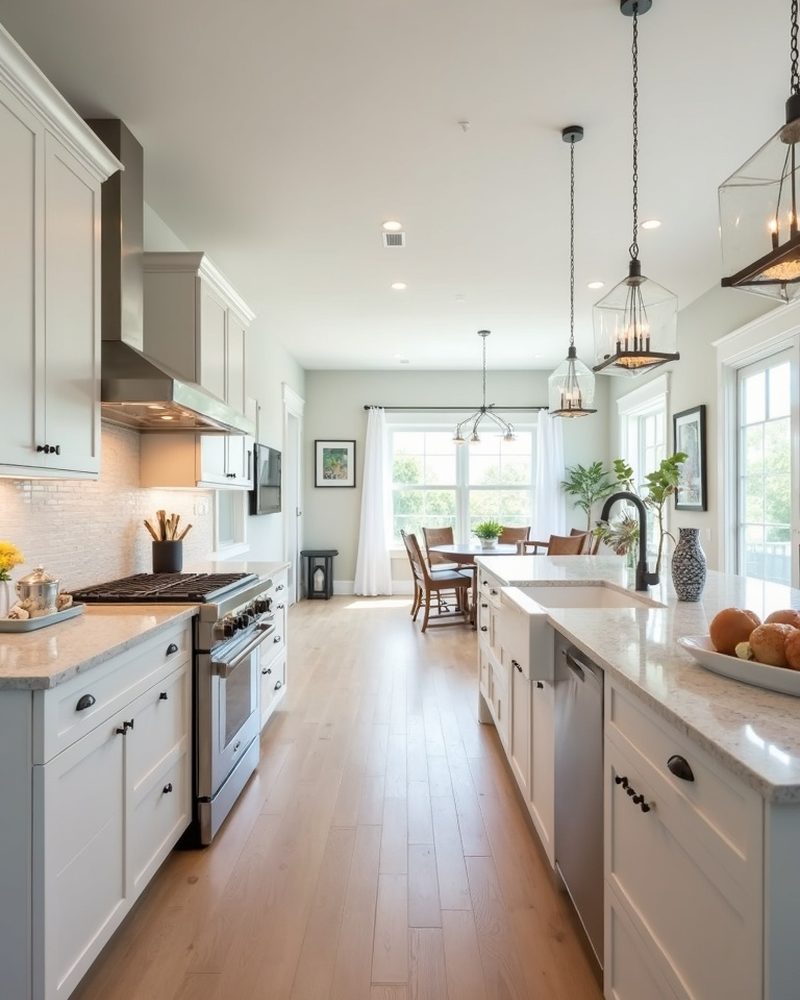
Prioritize improvements that yield the best return for this market. In Northeast Atlanta, buyers reward kitchens with updated counters and efficient flow, primary bathrooms with modern fixtures, and HVAC or water heater updates with documented service. Outdoor living space—decks, patios, fenced yards—also performs well where yards are prized. Sellers should choose targeted, well-documented upgrades over large cosmetic overhauls that do not show in comps.
For buyers, a practical negotiation approach wins more often than emotional top offers. Use inspection contingencies to clarify unknowns you discovered at street level. Consider lender-preferred local appraisers and include a realistic appraisal contingency strategy so offers survive the appraisal process in this variable market. For sellers, be ready with access to utility bills, recent inspection reports, and a summary of neighborhood improvements to streamline buyer due diligence.
Seasonal timing still matters but only in context. Spring can bring more buyers to Northeast Atlanta, but the sellers who stand out are those who present a clean, well
