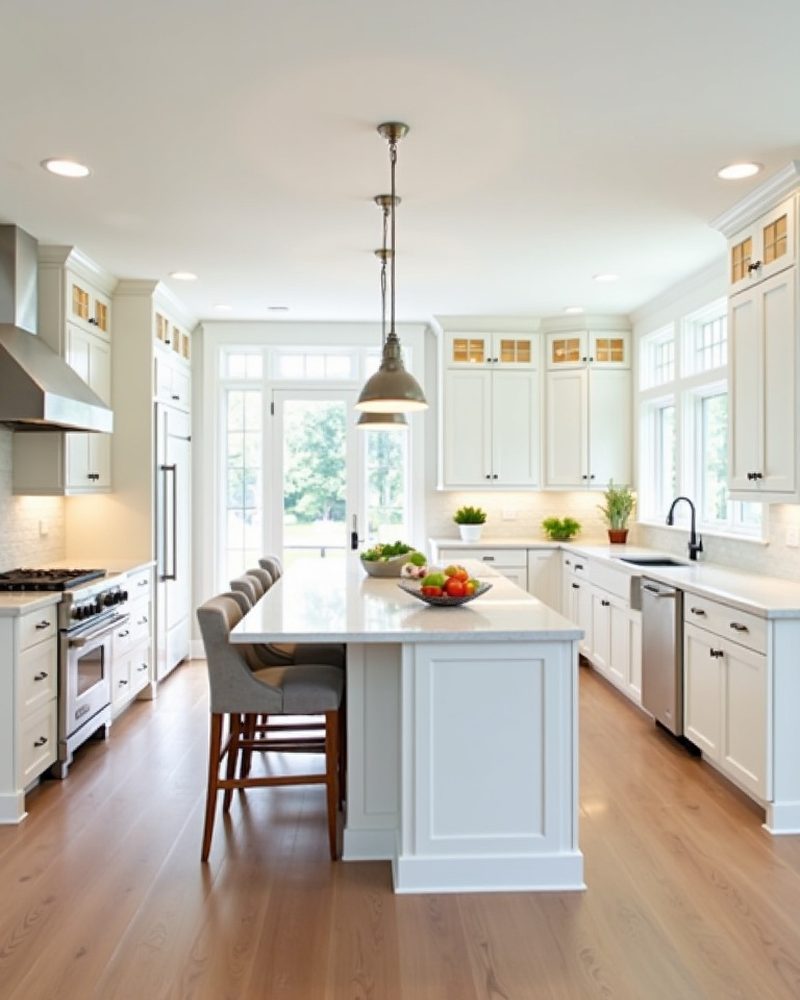
The Northeast Atlanta real estate market rewards smart choices. Whether you are preparing to sell or planning an offer, understanding which improvements move the needle and which issues are cosmetic can save you time, money, and stress. This guide focuses on the practical, block-level decisions that produce results now and remain relevant for years to come for buyers and sellers across Northeast Atlanta.
First, sellers: prioritize fixes that reduce risk and increase buyer confidence. Buyers respond strongly to items that affect safety, inspection outcomes, and move-in readiness. High-impact seller actions include addressing active water intrusion, repairing a failing roof, resolving major HVAC or electrical hazards, and ensuring the home is pest-free. These are items that can derail a sale or force large concessions during negotiations.
Cosmetic updates often provide a good return only when done strategically. Fresh neutral paint throughout, clean and modern lighting, decluttering, and professional photography deliver outsized benefits relative to cost. Curb appeal matters: tidy landscaping, a clean entryway, and a well-maintained exterior tell buyers the home has been cared for. Staging or virtual staging can help buyers visualize the space and often reduces days on market.
What sellers should avoid spending big on before listing: major full-scale renovations in kitchens or bathrooms that are out of step with neighborhood norms, custom additions that limit buyer appeal, and luxury finishes that price the home above similar recent comps. In many Northeast Atlanta neighborhoods, buyers value good bones and location over designer-level finishes. A modest countertop and cabinet refresh can be more cost-effective than a total tear-out.
For buyers touring Northeast Atlanta homes, learn to separate cosmetic issues from structural or system-level problems. Paint, dated flooring, wallpaper, and worn carpets are fixable and rarely justify walking away or lowballing an offer. Conversely, be vigilant about signs of foundation movement, uneven floors, persistent drainage issues, and roof age. These can turn into major expenses after closing.
Inspections are your best tool. Use a reputable inspector and follow up quickly on any red flags with specialists—roofers, electricians, plumbers, and structural engineers when needed. Consider the age of major systems: water heaters, furnaces, and air conditioning units typically need replacement on predictable cycles. Factor expected near-term replacements into your offer so you can negotiate fairly rather than being surprised after move-in.
Negotiation strategy that works in this market often blends smart offers with targeted repair requests. If a home shows obvious cosmetic flaws that you planned to update anyway, allow your offer price to reflect that rather than asking for credits for every minor detail. Reserve repair requests or credits for issues that affect safety or long-term durability. Sellers who have handled critical repairs before listing justify firmer pricing and often attract fewer contingencies.
Local factors in Northeast Atlanta matter. Block-level demand, proximity to major commute routes, school assignments, HOA rules, and planned public projects influence resale value more than broad zip code labels. Before you buy or list, review recent comparable sales from the last 60 to 90 days in the immediate neighborhood, not just the broader area. Small differences in lot size, tree cover, and flood risk can change buyer demand quickly.
Timing and pricing remain evergreen levers. Price competitively to draw
